
Datenspezialisten und KI-Spezialisten bringen analytische Stärke in die urbane Mobilität durch maschinelles Lernen und prädiktive Modellierung. Sie entwickeln Algorithmen zur Optimierung von Verkehrsflüssen, zur Vorhersage von StauMustern und zur Ermöglichung von Echtzeit-Entscheidungen. Softwareentwickler schaffen die digitale Infrastruktur – mobile Ticket-Apps, Echtzeit-Informationssysteme, Verkehrsmanagementplattformen – die multimodale Reisen nahtlos gestalten.
Alltägliche Bürger sind wesentliche Teilnehmer, deren tägliche Reiseentscheidungen, Rückmeldungen und Beteiligung darüber entscheiden, welche Lösungen erfolgreich sind oder scheitern. Die moderne Mobilitätsplanung bindet Bürger aktiv durch digitale Plattformen, öffentliche Konsultationen und partizipative Designprozesse ein, um sicherzustellen, dass die Lösungen reale Bedürfnisse und nicht theoretische Ideale adressieren.
Während Systeme und Technologien wichtig sind, wurde die urbane Mobilitätsrevolution maßgeblich von visionären Einzelpersonen geprägt, die traditionelle Denkweisen in Frage stellten.

Bildnachweis: Detroit Regional Chamber. Janette Sadik-Khan.
Als Transportkommissarin von NYC (2007-2013) leitete Sadik-Khan historische Veränderungen, darunter die Fußgängergängerzone am Times Square, den Bau von fast 400 Meilen Radwegen und die Einführung des größten Fahrradverleihprogramms Nordamerikas. Ihr Designeransatz – schnelles Testen und Iterieren – erwies sich als bahnbrechend. Am Times Square schuf sie Fußgängerzonen, indem sie einfach Asphalt bemalte und Liegestühle aufstellte, ein kostengünstiges Experiment, das dauerhaft wurde. Als Vorsitzende von NACTO leitete sie die Entwicklung von Globaler Leitfaden für Straßenraumgestaltung, von 54 Städten weltweit übernommen. Ihr Buch “Streetfight: Handbook for an Urban Revolution” ist zur Pflichtlektüre für Verkehrsexperten geworden.
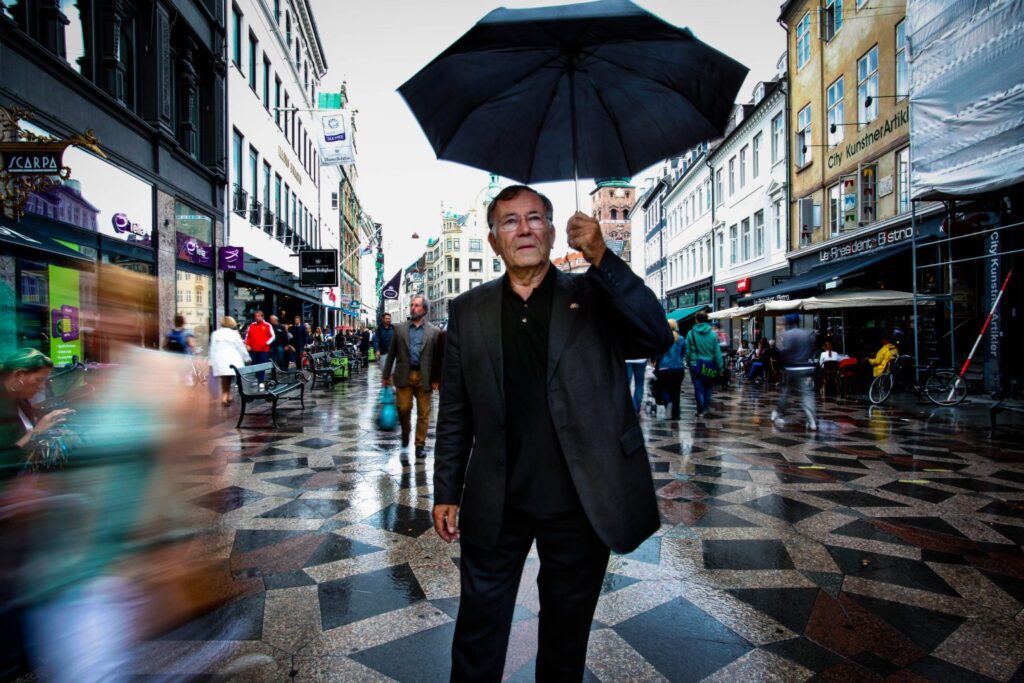
Bildnachweis: Henningsson/Gehl Architects.
Der dänische Architekt Jan Gehl hat seine Karriere darauf ausgerichtet, das Stadtleben zu verbessern, indem er die Stadtplanung auf Fußgänger und Radfahrer ausrichtet. Sein Buch “Leben zwischen Gebäuden” aus dem Jahr 1971 legte Prinzipien für die Untersuchung der Nutzung öffentlicher Räume durch Menschen fest. Seine Methodik – systematische Dokumentation von Räumen, schrittweise Verbesserungen und erneute Dokumentation – verwandelte Kopenhagen von einer autogeprägten Stadt in eine der lebenswertesten fußgängerfreundlichen Städte der Welt. Durch Gehl Architects hat er Städte wie Melbourne, New York, Moskau, London und Riga beeinflusst.
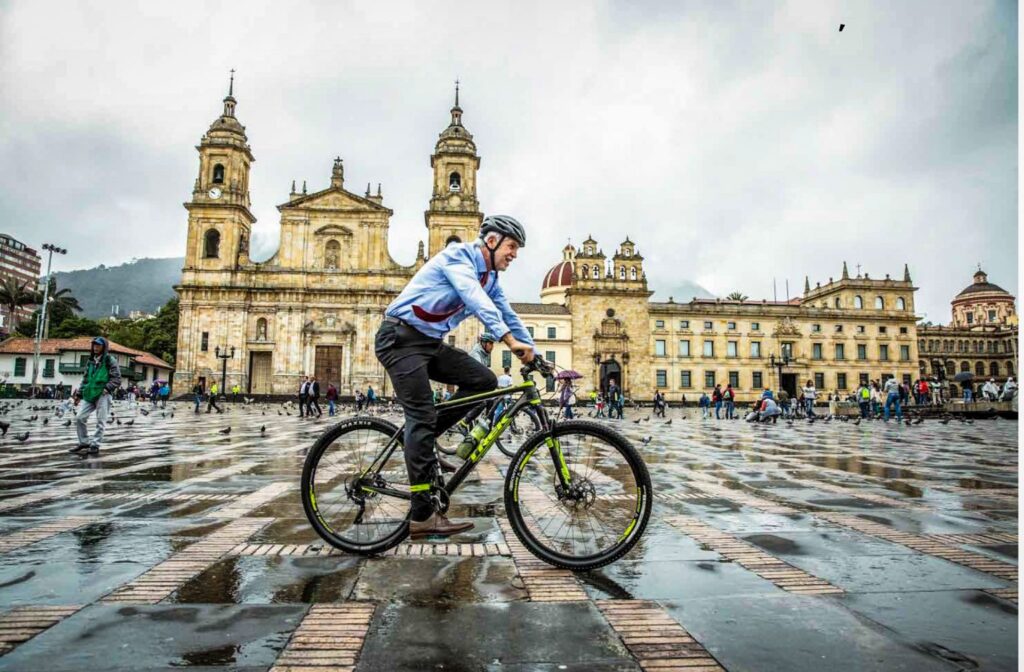
Bildnachweis: Enrique Peñalosa für Citychangers.org
Als Bürgermeister von Bogotá verwandelte Peñalosa seine Stadt in ein internationales Vorbild. Seine bedeutendste Errungenschaft war die Schaffung von TransMilenio, einem der weltweit führenden Bus-Rapid-Transit-Systeme, das täglich 2,4 Millionen Passagiere befördert. Seine Vision konzentrierte sich auf Transportdemokratie – qualitativ hochwertiger öffentlicher Nahverkehr als Ausdruck sozialer Gleichheit. Er schuf ausgedehnte Fahrradnetze, Grünflächen, Hunderte von Parks und führte den jährlichen "Tag ohne Auto" ein, der von den Bürgern per Referendum befürwortet wurde. Seine Arbeit zur Förderung von Gleichheit durch Mobilität hat die Verkehrspolitik in Städten auf verschiedenen Kontinenten beeinflusst.
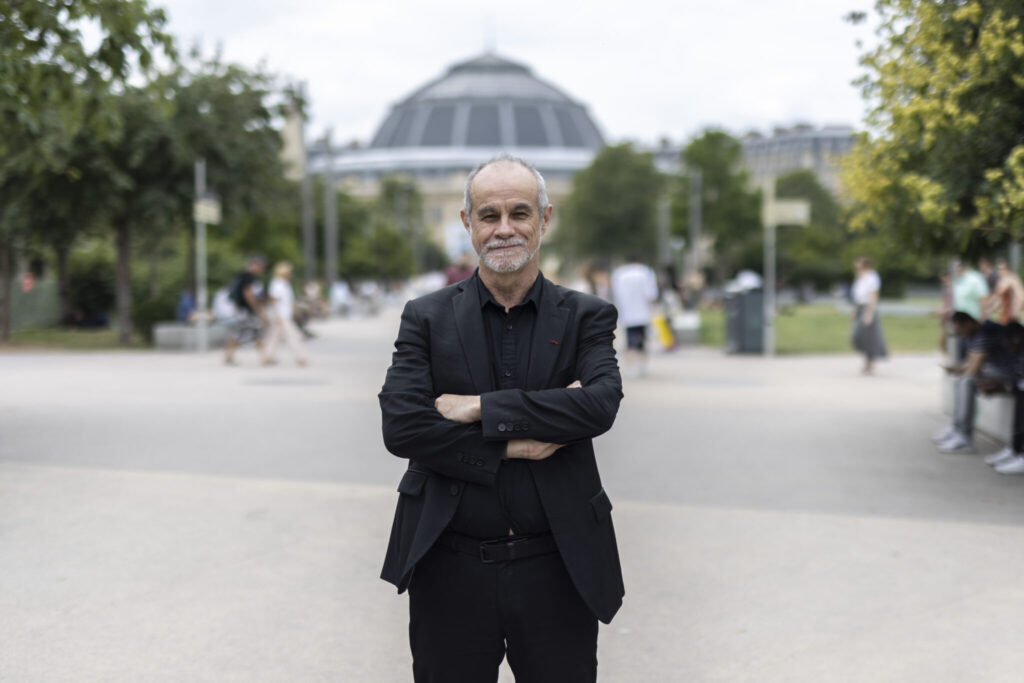
Bildnachweis: Aufnahmen mit freundlicher Genehmigung des WRI Ross Center Prize for Cities.
Professor Carlos Moreno, geboren 1959, ist ein französisch-kolumbianischer Stadtplaner, Wissenschaftler und der visionäre Architekt hinter dem global transformativen Konzept der “15-Minuten-Stadt”. Mit Sitz in Paris gehört Moreno zu den einflussreichsten zeitgenössischen Stadtplanern unserer Zeit und prägt die Art und Weise, wie Städte weltweit über städtisches Leben, Nachhaltigkeit und menschenzentriertes Design denken.
Der entscheidende Moment kam 2015–2016, als Moreno auf der Pariser UN-Klimakonferenz (COP21) den Begriff “Ville du quart d’heure” (15-Minuten-Stadt) prägte. Dieses Konzept schlug ein revolutionäres Stadtmodell vor, bei dem die Bewohner auf alle sechs wesentlichen Funktionen – Wohnen, Arbeiten, Handel, Gesundheitswesen, Bildung und Unterhaltung – innerhalb eines 15-minütigen Spaziergangs oder einer Radtour von zu Hause aus zugreifen können.
Seine einflussreiche Open-Access-Publikation aus dem Jahr 2021 mit dem Titel “Introducing the 15-Minute City: Sustainability, Resilience and Place Identity in Future Post-Pandemic Cities” ist zu einem Markenzeichen im Diskurs der Stadtplanung geworden und verzeichnete bis Januar 2025 fast 150.000 vollständige Lektüren. Darüber hinaus fasst sein Buch „The 15-Minute City: A Solution for Saving Our Time and Our Planet“ jahrzehntelange Forschungsergebnisse zu praktischen, wissenschaftlich fundierten Lösungen für die Schaffung lebenswerterer, nachhaltigerer städtischer Umgebungen zusammen.
Heute Hat sich das 15-Minuten-Stadt-Konzept von Carlos Moreno zu einer echten globalen Bewegung entwickelt und beeinflusst Stadtpolitik, Infrastrukturinvestitionen und Stadtplanungsstrategien in ganz Europa, Asien, Amerika und darüber hinaus. Seine Arbeit stellt eine grundlegende Neugestaltung des städtischen Lebens dar – weg von der autohängigen Zersiedelung hin zu Gemeinschaften im menschlichen Maßstab, in denen Lebensqualität, Nachhaltigkeit und soziale Verbundenheit an erster Stelle stehen.
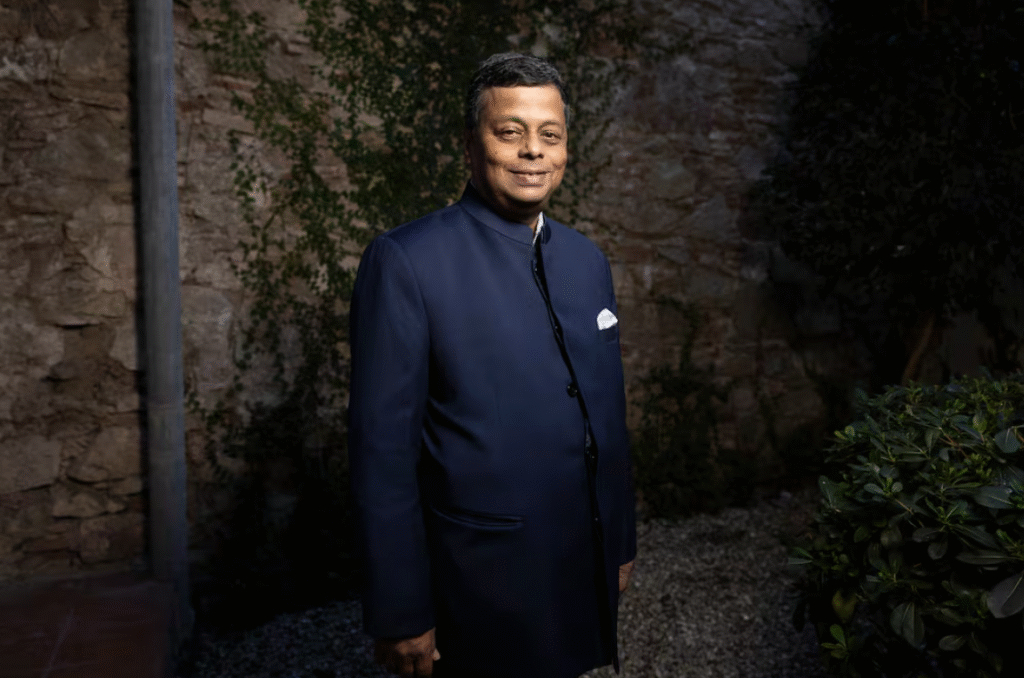
Bildnachweis: Aromar Revi bei CIDOB, Barcelona, 21. November 2025. © Massimiliano Minocri.
Aromar Revi, Gründungsdirektor des Indian Institute for Human Settlements (IIHS), vertritt die Stimme des Globalen Südens in der Debatte um urbane Mobilität. Mit über 35 Jahren Erfahrung in den Bereichen nachhaltige Entwicklung, Klimawissenschaft und Stadtverwaltung war Revi als leitender Berater für mehrere indische Ministerien tätig und hat als Berater bei Entwicklungsinvestitionen in Höhe von über $8 Milliarden (6,875 Milliarden Euro) mitgewirkt.
Revis' bedeutendster Beitrag war die Leitung der erfolgreichen globalen Kampagne für das Sustainable Development Goal (SDG 11) für nachhaltige städtische Entwicklung im Rahmen der UN-Agenda 2030 für nachhaltige Entwicklung als Co-Vorsitzender des UN Sustainable Development Solutions Network (SDSN). Er war koordinierender Leitautor für den Abschnitt „Urbane Gebiete“ des 5. Sachstandsberichts des IPCC (2014) und des Sonderberichts des IPCC über eine globale Erwärmung von 1,5 °C (2018), wodurch er städtische Mobilität und Klimapolitik auf höchster wissenschaftlicher Ebene miteinander verband.
Revis Arbeit war entscheidend dafür, die Urbanisierung als zentralen Bestandteil des Klimaschutzes und der Gerechtigkeit zu positionieren und nicht als Randthema dieser Agenden. Seine Forschung zur Katastrophenresilienz und Klimaanpassung in schnell urbanisierenden Regionen hat die Entwicklungspolitik in Südasien, Afrika und dem globalen Süden beeinflusst und sichergestellt, dass Investitionen in Mobilität lokale Schwachstellen angehen und Anpassungsfähigkeit aufbauen.
Diese Führungskräfte teilen gemeinsame Charakteristika: den Mut, automobilzentriertes Denken in Frage zu stellen, die Verpflichtung zu evidenzbasierten Entscheidungen, die Fähigkeit, eine Vision zu kommunizieren, die Bereitschaft, mit Pilotprojekten zu beginnen, und das Engagement für Gerechtigkeit.
Die treibenden Akteure der urbanen Mobilität verfolgen mehrere transformative Trends:
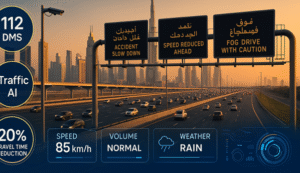
KI-gestützte prädiktive Analysen optimieren den Verkehrsfluss und ermöglichen Entscheidungen in Echtzeit. Städte setzen Systeme ein, die Staus vorhersagen, bevor sie entstehen, die Ampelschaltung automatisch anpassen, Rettungsfahrzeugen Vorrang einräumen und Verkehrsinformationen in Echtzeit bereitstellen. Die Straßen- und Verkehrsbehörde von Dubai betreibt fortschrittliche Systeme, darunter 112 dynamische Anzeigetafeln, die in KI-gestützte iTraffic-Plattformen integriert sind, sowie Sensoren zur Überwachung von Fahrgeschwindigkeit, Verkehrsaufkommen und Wetterbedingungen, wodurch die Fahrzeiten auf wichtigen Verkehrsachsen um bis zu 20% verkürzt werden.
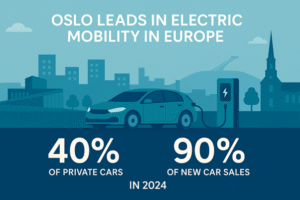
Oslo ist in Europa führend im Bereich der Elektromobilität: Im Jahr 2024 werden Elektrofahrzeuge 40% der Privatwagen und 90% der Neuwagenverkäufe ausmachen. Städte weltweit bauen die Ladeinfrastruktur für Elektrofahrzeuge aus, stellen den öffentlichen Nahverkehr auf Elektroantrieb um und setzen Maßnahmen um, die den Übergang zu einem emissionsfreien Verkehr beschleunigen, um so die Luftqualität zu verbessern, dem Klimawandel entgegenzuwirken und gleichzeitig die Lärmbelastung zu verringern.
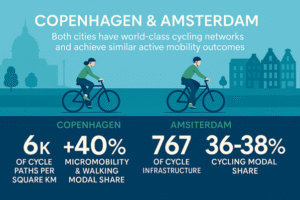
Der weltweite Markt für Mikromobilität, dessen Wert im Jahr 2024 bei $61,42 Milliarden (etwa 58,5 Milliarden Euro) lag, wird bis 2032 voraussichtlich auf $202,39 Milliarden (etwa 193 Milliarden Euro) ansteigen. E-Scooter, Fahrradverleihsysteme und E-Bikes bieten flexible Verbindungen für die „letzte Meile“. Kopenhagen verdeutlicht dies mit mehr als 6 Kilometern Radwegen pro Quadratkilometer, was zu einem Anteil der Mikromobilität und des Fußverkehrs am Gesamtverkehrsaufkommen von über 40% beiträgt. Amsterdams Radverkehrsinfrastruktur und der Anteil des Radverkehrs am Gesamtverkehrsaufkommen zeigen, dass die Stadt auf Augenhöhe mit Kopenhagen liegt. Mit 767 Kilometern dedizierter Fahrradinfrastruktur, einem Radverkehrsanteil von 36–38% und einem Anteil der aktiven Mobilität (zu Fuß gehen + Radfahren) von 44–48% erreicht Amsterdam die gleichen Nachhaltigkeits- und Mobilitätsergebnisse wie Kopenhagen, obwohl die Radwegdichte pro Quadratkilometer geringfügig niedriger ist.
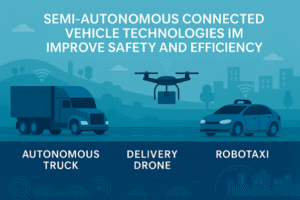
Digitale Zwillinge – virtuelle Nachbildungen von Verkehrssystemen – ermöglichen es Planern, Maßnahmen vor ihrer Umsetzung zu testen. Bis 2030 könnten digitale Zwillinge Städten weltweit bis zu $280 Milliarden (etwa 267 Milliarden Euro) einsparen. Gleichzeitig verbessern halbautonome Funktionen und Technologien für vernetzte Fahrzeuge die Sicherheit und Effizienz: So werden autonome Lkw für den Güterverkehr getestet, Lieferdrohnen für die Logistik eingesetzt und Robotaxis in Städten wie San Francisco betrieben.
Städte setzen auf digitale Plattformen, Workshops, Umfragen und partizipative Budgets, um Bürger in Entscheidungsprozesse einzubinden. Projekte wie Active Way in St Andrews und die Planung von E-Ladestationen in Kopenhagen zeigen, wie digitale Konsultation eine breite Beteiligung ermöglicht und gleichzeitig präzise Daten generiert. Diese Ansätze wandeln Bürger von passiven Empfängern zu aktiven Mitgestaltern um.
Progressive Mobilitätsplanung priorisiert Kinder, ältere Menschen, Menschen mit Behinderungen und andere gefährdete Nutzer. Projekte wie Bicycle Heroes in Dublin, Lissabon und Rom arbeiten direkt mit Kindern zusammen, um Barrieren zu identifizieren und Lösungen zu entwickeln. Dieser inklusive Ansatz erkennt an, dass eine für Kinder sichere Infrastruktur allen Nutzern zugute kommt.
Bei neuen Technologien wie autonomen Fahrzeugen oder Preisgestaltung für Staus wird die gesellschaftliche Akzeptanz entscheidend. Städte führen Bürgerbefragungen durch, organisieren Demonstrationen und führen Kommunikationskampagnen durch, um Vertrauen aufzubauen. Transparenz über Vorteile, Risiken und Kompromisse hilft, Unterstützung auch für kontroverse Eingriffe zu gewinnen.
Die Akteure, die die urbane Mobilität vorantreiben, haben ehrgeizige Pläne für die Umgestaltung von Städten:
Vision Zero zielt darauf ab, Verkehrstote und Schwerverletzte durch systemische Verbesserungen in der Infrastrukturplanung, Fahrzeugtechnologie, Überwachung und Aufklärung zu eliminieren. Städte gestalten Kreuzungen neu, implementieren geschützte Radwege und setzen KI-Systeme ein, die unsichere Verhaltensweisen in Echtzeit erkennen. EvoRoads Projekt in Europa, und arbeitet damit auf das Ziel der EU hin, bis 2050 Netto-Null Verkehrstote zu erreichen. Die Sicherheitslösungen von FitsTraffic sind entscheidend für Vision Zero, da sie fortschrittliche KI-gestützte Überwachungswerkzeuge bieten, die eine präzise Geschwindigkeitsüberwachung, die Erkennung von Verstößen und die Echtzeit-Datenverarbeitung ermöglichen. Dadurch werden Verkehrstote und schwere Verletzungen durch skalierbare systemische Verbesserungen bei der Überwachung neben Infrastruktur, Fahrzeugtechnologie und Aufklärung erheblich reduziert.
Die Zukunft ist multimodal – sie vernetzt nahtlos Fußgänger, Radfahrer, Mikromobilität, öffentlichen Nahverkehr, Sharing-Fahrzeuge und private Autos über einheitliche Plattformen. Mobility as a Service (MaaS)-Plattformen wie die ZVV-App in Zürich ermöglichen es Nutzern, ganze Reisen über verschiedene Anbieter hinweg über eine einzige Anwendung zu planen, zu buchen und zu bezahlen. SMARTIN-Projekt, eine EU-finanzierte Initiative des Europäischen Innovationsrats (Horizon Europe), die 2025 gestartet wurde, entwickelt fortschrittliche digitale Plattformen zur Revolutionierung des Verkehrsmanagement durch KI-gestützte Analysen, Echtzeit-Datenfusion und prädiktive Werkzeuge. In Lettland entwickeln Partner wie ATD und FitsTraffic ein intelligentes Routenplanungstool für die Koordination des regionalen öffentlichen Nahverkehrs und pilotiert die multimodale Integration von Bus- und Bahnverbindungen zur Steigerung von Effizienz und Zugänglichkeit. Dies fördert direkt integrierte multimodale Systeme, indem es nahtlose Konnektivität zwischen Fußgänger-, Radfahrer-, öffentlichen Nahverkehrs- und anderen Verkehrsträgern über einheitliche Plattformen ermöglicht und so Emissionen, Verkehrsstaus und Störungen reduziert und gleichzeitig eine resiliente städtische Mobilität fördert.
Die Stadtverkehrsplanung beschäftigt sich zunehmend mit Klimaanpassung neben der Minderung. Verkehrssysteme müssen Emissionen reduzieren und gleichzeitig extremen Wetterereignissen standhalten. Zukünftige Systeme müssen auch allen Einwohnern dienen, unabhängig von Einkommen, Fähigkeiten, Alter oder Wohnort, und dabei erschwingliche öffentliche Verkehrsmittel, zugängliche Infrastruktur und Anbindungen an Chancen gewährleisten.