

Strategisches Nachfragemanagement
Paris führte ein umfassendes Nachfragemanagement ein. Die Behörden förderten im Juni und Juli 2024 die Arbeit im Homeoffice, wodurch das durchschnittliche Verkehrsaufkommen um 5% reduziert wurde. In Verbindung mit dem natürlichen saisonalen Rückgang (35% weniger Pkw-Verkehr, 60% weniger Fahrgäste im öffentlichen Nahverkehr im Sommer) schuf dies Kapazitäten für die Olympia-Besucher. Durch Beschränkungen rund um die olympischen Austragungsorte und in verkehrsberuhigten Zonen konnten Ressourcen zugunsten der internationalen Besucher umgeleitet werden.
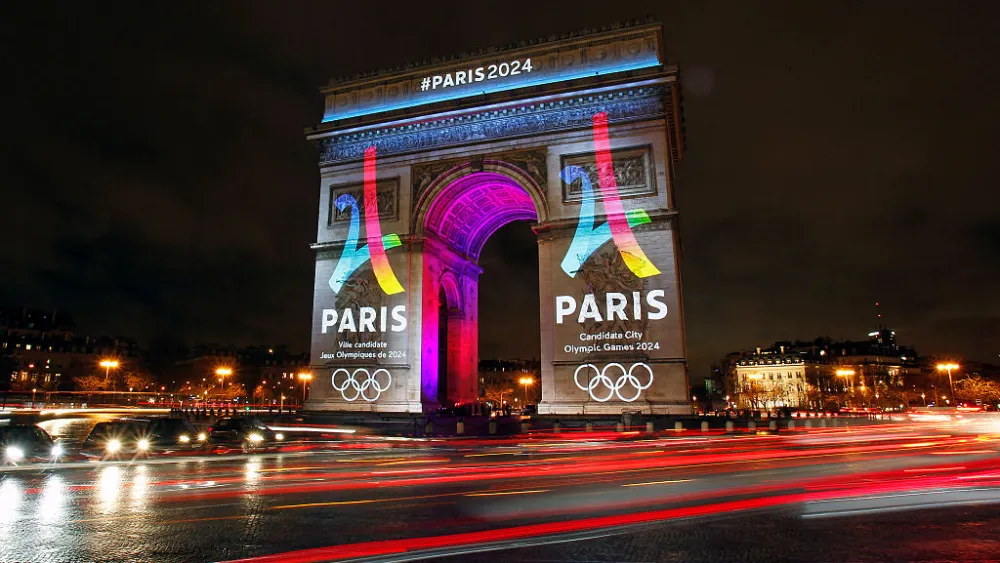
Bildnachweis: Der Arc de Triomphe in Paris. Getty Images
Infrastruktur und Technologie
Durch Investitionen von über 500 Millionen Euro in die Verkehrsinfrastruktur wurde den Zuschauern der 100% die Anreise mit öffentlichen Verkehrsmitteln ermöglicht. Die Taktfrequenz im öffentlichen Nahverkehr wurde erhöht, wobei der Schwerpunkt auf den wichtigsten Linien lag. Von Juli bis September wurden die Bauarbeiten ausgesetzt, um die Verfügbarkeit des Systems zu maximieren. TomTom arbeitete mit den französischen Behörden zusammen, um Verkehrsinformationen in Echtzeit bereitzustellen, während die Plattformen der PTV Group das Autobahnmanagement mit minutengenauen Lageberichten unterstützten.
Ergebnisse: Gemischt, aber lehrreich
Trotz umfangreicher Vorbereitungen erreichte die Überlastung während der Eröffnungsfeiern ihren Höhepunkt. Die Verkehrsüberwachung zeigte, dass Paris während der Eröffnungsfeiern unter starker Überlastung litt, wobei HERE Technologies im Zeitraum vom 18. bis 27. Juli 2024 in Gebieten rund um den Trocadéro Überlastungswerte von über 9 (auf einer Skala von 0-10, die nahezu Stillstand bedeutet) meldete. Insbesondere die Verkehrsüberlastung an Wochenenden war eine große Herausforderung. Dennoch bewältigte der öffentliche Nahverkehr beispiellose Volumina erfolgreich, und die vorausschauende Planung verhinderte einen vollständigen Stillstand.
Bildnachweis: Pexels.com
Vorhersehbares Volumen, Unvorhersehbare Muster
Städte können die Gesamtzahl der Teilnehmer schätzen, haben aber Schwierigkeiten, genaue Ankunfts-/Abfahrtszeiten, Routenwahl und Verkehrsmittelpräferenzen vorherzusagen. Veranstaltungen mit mehreren Veranstaltungsorten erschweren dies zusätzlich: Die UEFA EURO 2024 in Deutschland umfasste 10 Austragungsorte und 51 Spiele über einen Monat hinweg, was zu Koordinationsproblemen in verschiedenen städtischen Kontexten führte.
Zugang und Sicherheit in Einklang bringen
Sicherheitsanforderungen stehen im Konflikt mit Mobilitätsbedürfnissen. Straßensperrungen schützen Veranstaltungsorte, stören aber den Verkehrsfluss. Paris schuf “Sicherheitsperimeter”, die QR-Codes für den Zugang erfordern und die Bewegung von Anwohnern erschweren. Das Finden dieser Balance unter Aufrechterhaltung des Zugangs für Einsatzfahrzeuge ist entscheidend.
Anbindung der letzten Meile
Öffentliche Verkehrsmittel bewältigen den Massentransport, aber die Endverbindung von der Station zum Veranstaltungsort führt oft zu Engpässen. Fußgängergewühl, unzureichende Wegweiser und begrenzte Parkmöglichkeiten in der Nähe von Verkehrsknotenpunkten schaffen Reibungspunkte, die die Gesamteffizienz des Systems beeinträchtigen.
Bildnachweis: Pexels.com
Echtzeit-Datenintegration
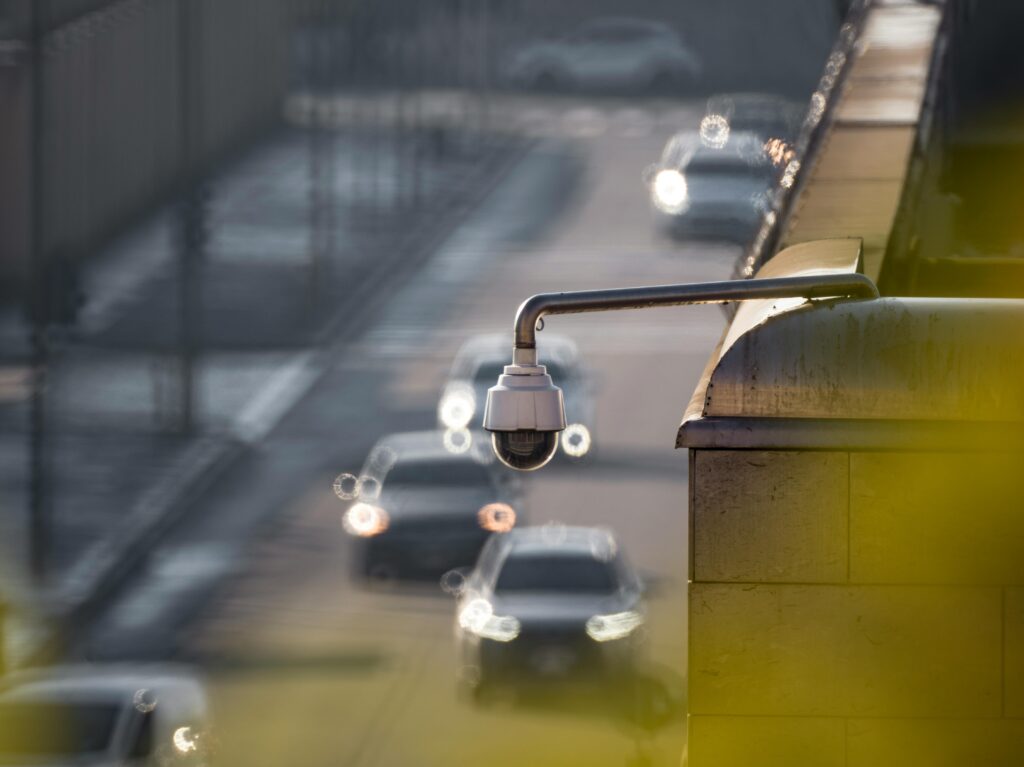
Moderne Systeme integrieren mehrere Datenquellen: Verkehrssensoren, Mobilfunkortungsdaten, Nutzung des öffentlichen Nahverkehrs, Parkplatzbelegung und Social-Media-Stimmungen. Los Angeles implementiert ein umfassendes Intelligentes Verkehrssystem (IVS) mit über 4.500 Ampeln und 500 Überwachungskameras, das ein Echtzeit-adaptives Signalsteuerungssystem und prädiktive Algorithmen zur proaktiven Verkehrssteuerung nutzt.
Dynamische Routenführung
Anstatt statischer Umleitungsrouten implementieren Städte nun dynamische Routenführung, die sich an Echtzeitbedingungen anpasst. Wechselverkehrszeichen, mobile Apps und die Integration von Navigationssystemen kommunizieren optimale Routen von Moment zu Moment. Dies verteilt den Verkehr gleichmäßiger auf die verfügbare Infrastruktur.
Adaptive Patrouillenbereitstellung
Forschung zu adaptiven Patrouillen ermöglicht eine schnelle Reaktion auf Vorfälle. Systeme sagen Hochrisikogebiete basierend auf Veranstaltungsplänen, Wetter und historischen Mustern voraus und positionieren Ressourcen proaktiv. Wenn Vorfälle auftreten, berechnen Algorithmen optimale Reaktionsrouten unter Berücksichtigung der aktuellen Verkehrsbedingungen und schlagen eine Neuzuweisung von Ressourcen vor.

Bildnachweis: Pexels.com
Technologie in der Praxis: Event-Verkehrsmanagementlösungen
Ein effektives Event-Verkehrsmanagement erfordert Technologie, die sich an sich schnell ändernde Bedingungen anpasst. Fits Traffic bietet mit 20 Jahren Erfahrung in Verkehrssystemen speziell auf Spitzenlastzeiten zugeschnittene Lösungen.
Das Fits Vision System bietet Echtzeit-Verkehrsüberwachung durch Computer-Vision-Analysen und verarbeitet vorhandene Kamera-Infrastrukturen, um umsetzbare Erkenntnisse zu gewinnen, ohne teure neue Sensoren installieren zu müssen. Dies ist besonders wertvoll für temporäre Veranstaltungsaufbauten, bei denen eine Investition in permanente Infrastruktur nicht gerechtfertigt ist. Städte können strategische Kreuzungen, Zufahrten zu Veranstaltungsorten und Parkbereiche speziell für die Dauer von Veranstaltungen mit verbesserter Überwachung ausstatten.
Für Veranstaltungsszenarien bietet die Plattform kritische Funktionalitäten: Überwachung von Kreuzungen zur Erkennung von Stauentwicklungen, bevor es zu einem Stillstand kommt, Zählung und Klassifizierung des Verkehrsflusses zur Überprüfung, ob die tatsächlichen Volumina den Vorhersagen entsprechen, und Erkennung von Zwischenfällen, die eine schnelle Reaktion auf Unfälle oder unbefugte Straßensperrungen ermöglichen.
Im Kern dieser Fähigkeit steht Passt zur einheitlichen Back-Office-Plattform von Fits Traffic, das Überwachungsdaten aus mehreren Quellen und Standorten in einer einzigen operativen Ansicht integriert. Dies ist besonders wertvoll für Veranstaltungen an mehreren Orten, bei denen die Koordination über verschiedene Standorte hinweg entscheidend ist. Bei Veranstaltungen, die sich über mehrere Städte erstrecken – wie die UEFA Women's Euro 2025 in 8 Schweizer Städten – hätte ein einheitliches System Folgendes ermöglichen können: zentrale Transparenz der Verkehrsbedingungen an allen Veranstaltungsorten gleichzeitig, automatisierte Warnungen bei Überschreitung von Schwellenwerten, standortübergreifende Koordination, die zeigt, wie sich Staus an einem Ort auf andere auswirken, und Analyse historischer Daten für die Nachbesprechung und zukünftige Planung.
Dieser einheitliche Ansatz eliminiert die Fragmentierung, die entsteht, wenn verschiedene Veranstaltungsorte oder Abteilungen separate Systeme betreiben. Verkehrsmanager erhalten das vollständige Bild, das für eine effektive Koordination, Ressourcenzuweisung und schnelle Reaktion auf Vorfälle bei komplexen, standortübergreifenden Veranstaltungen erforderlich ist.
Warum Eventmanagement für Fits Traffic wichtig ist: Großveranstaltungen stellen die ultimative Belastungsprobe für städtische Mobilitätssysteme dar. Städte, die diese Spitzenmomente erfolgreich bewältigen, bauen Widerstandsfähigkeit auf, die dem täglichen Betrieb zugutekommt. Unsere Technologie hilft Städten nachzuweisen, dass ihre Infrastruktur außergewöhnliche Nachfrage bewältigen kann und gleichzeitig die Lebensqualität erhalten bleibt. Der Erfolg von Veranstaltungen stärkt das öffentliche Vertrauen in breitere Smart-City-Initiativen und demonstriert den verantwortungsvollen Einsatz von Überwachungstechnologie mit klarem öffentlichem Nutzen.
Europäische Zusammenarbeit: Das TAAM-Projekt
Die Bewältigung großer Veranstaltungen erfordert, dass Städte mehrere Technologien und Partner effektiv koordinieren. Das Projekt Traffic Agile Assessment and Management (TAAM), das von der EU-Initiative JPI Urban Europe gefördert wird, demonstriert diesen integrierten Ansatz in der Praxis.
TAAM bündelt verschiedene digitale Werkzeuge, um Städten bei der Planung, Umsetzung und Anpassung von Verkehrsstrategien in Echtzeit zu helfen. Das Projekt kombiniert die TRAFF-X®-Plattform von PRISMA solutions – die von der Integrierten Verkehrsleitzentrale Stuttgart genutzt wird – mit der Computer-Vision-Analytik von Fits Traffic. Gemeinsam ermöglichen diese Werkzeuge Städten, Verkehrsbedingungen zu überwachen, Managementstrategien zu testen und schnell auf veränderte Situationen zu reagieren.
Pilotprojekte in Österreich und Lettland zeigen, wie dies funktioniert. Städte können mit TRAFF-X Verkehrsstrategien planen, die tatsächlichen Bedingungen mit den Kameras von Fits Traffic überwachen und ihren Ansatz auf der Grundlage von Echtzeitdaten anpassen. Diese Kombination aus strategischer Planung und Live-Überwachung schafft flexiblere urbane Mobilitätssysteme – unerlässlich für die Bewältigung der unvorhersehbaren Anforderungen von Großveranstaltungen.
Bildnachweis: Pexels.com
Best Practices für Städte
Früh anfangen Beginnen Sie mit der Planung 12-24 Monate vor wichtigen Ereignissen. Führen Sie Simulationen mit historischen Daten durch und führen Sie Planspiele mit allen Beteiligten durch.
Klar kommunizieren: Stellen Sie detaillierte öffentliche Informationen zu Sperrungen, Umleitungen und öffentlichen Nahverkehrsoptionen bereit. Multi-Channel-Kommunikation (Apps, Websites, soziale Medien, traditionelle Medien) erreicht vielfältige Zielgruppen.
Testsysteme Führen Sie operative Probeläufe Wochen vor Veranstaltungen durch. Identifizieren und beheben Sie technisches Versagen, Kommunikationslücken und Koordinationsprobleme in Umgebungen mit geringem Druck.
Redundanter Aufbau Planen Sie Ausweichrouten, alternative Kommunikationskanäle und Notfallressourcen. Einzelne Schwachstellen in komplexen Systemen sind eine Katastrophe, die darauf wartet, einzutreten.
Lernen und Anpassen Führen Sie eine gründliche Nachbesprechung durch. Was hat funktioniert? Was nicht? Wie kann es beim nächsten Mal besser gemacht werden? Dokumentieren Sie die gewonnenen Erkenntnisse, solange die Erfahrung noch frisch ist.
Fazit
Großveranstaltungen werden städtische Mobilitätssysteme immer herausfordern. Mit sorgfältiger Planung, geeigneter Technologie und adaptivem Management können Städte diese Herausforderungen jedoch in Gelegenheiten verwandeln, um die Leistungsfähigkeit der Infrastruktur zu demonstrieren und das Vertrauen der Öffentlichkeit zu stärken.
Paris 2024 hat gezeigt, dass selbst bei Investitionen von 500 Millionen Euro und umfangreichen Vorbereitungen unerwartete Engpässe auftreten können. Es hat aber auch gezeigt, dass eine umfassende Planung einen Totalausfall verhindert und wesentliche Dienste unter außergewöhnlichem Druck aufrechterhält. Da sich Städte auf zukünftige Veranstaltungen – Los Angeles 2028, UEFA-Wettbewerbe, Weltausstellungen – vorbereiten, können sie auf diese Erfahrungen aufbauen.
Der Schlüssel liegt darin, Ereignisse nicht als isolierte Vorfälle, sondern als Gelegenheiten zu betrachten, Systeme zu testen und zu verbessern, die den täglichen Betrieb unterstützen. Technologien wie Fits Traffic ermöglichen dies, indem sie Transparenz, schnelle Reaktionsfähigkeit und Daten für kontinuierliche Verbesserungen bieten. Städte, die das Verkehrsmanagement bei Veranstaltungen beherrschen, richten nicht nur erfolgreiche Veranstaltungen aus – sie bauen robustere, reaktionsfähigere und effektivere Mobilitätssysteme für alle Nutzer, jederzeit.